


Our process
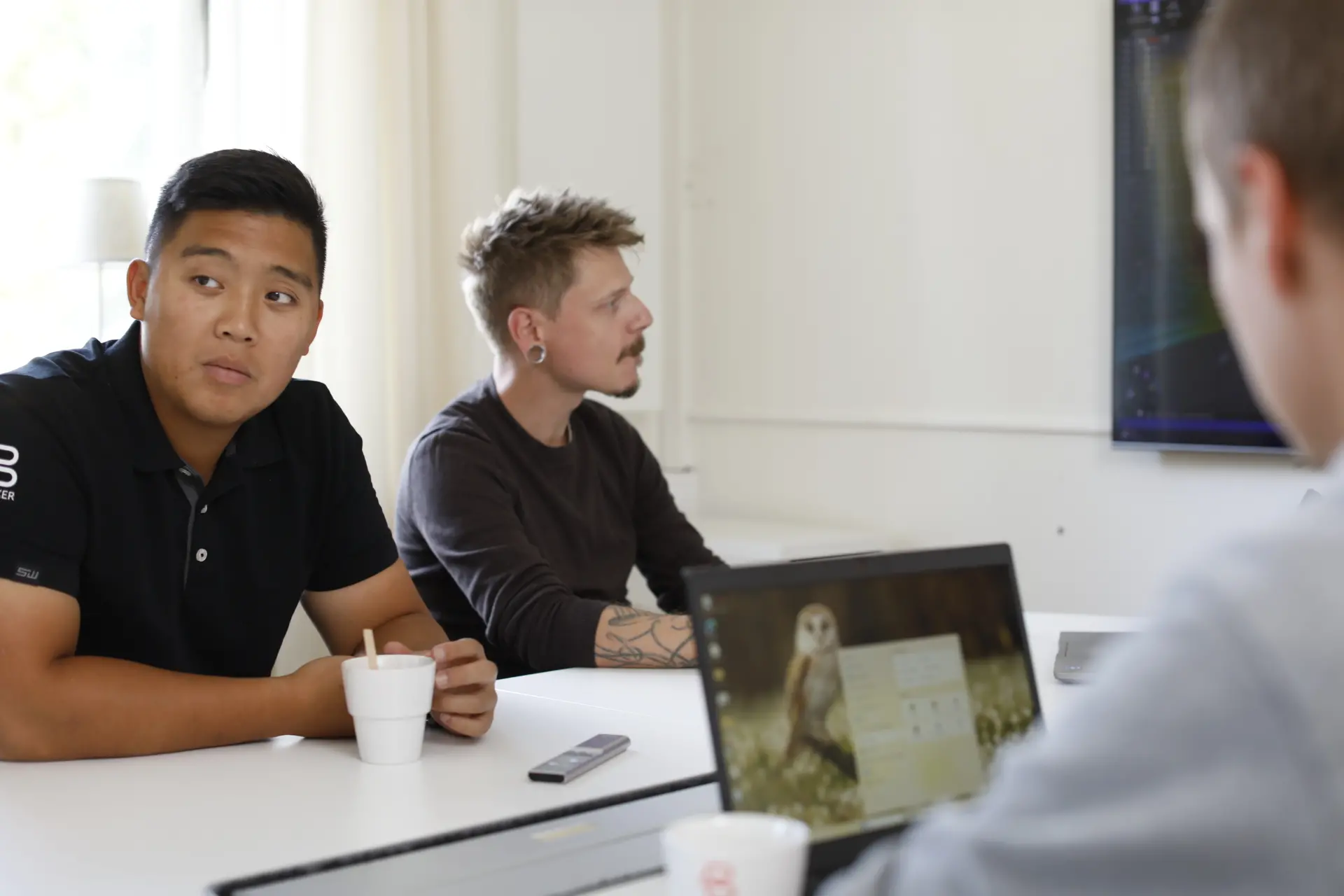
1. Requirements analysis and functional understanding
To ensure that the product performs as expected, a clear understanding of its function and application is essential. The process therefore begins with a thorough requirements analysis, mapping technical needs, environmental conditions, and safety aspects. Our engineers use advanced tools and software to define the correct performance levels and establish a solid foundation for the subsequent design. This step ensures that the solution is built on the right assumptions from the outset.
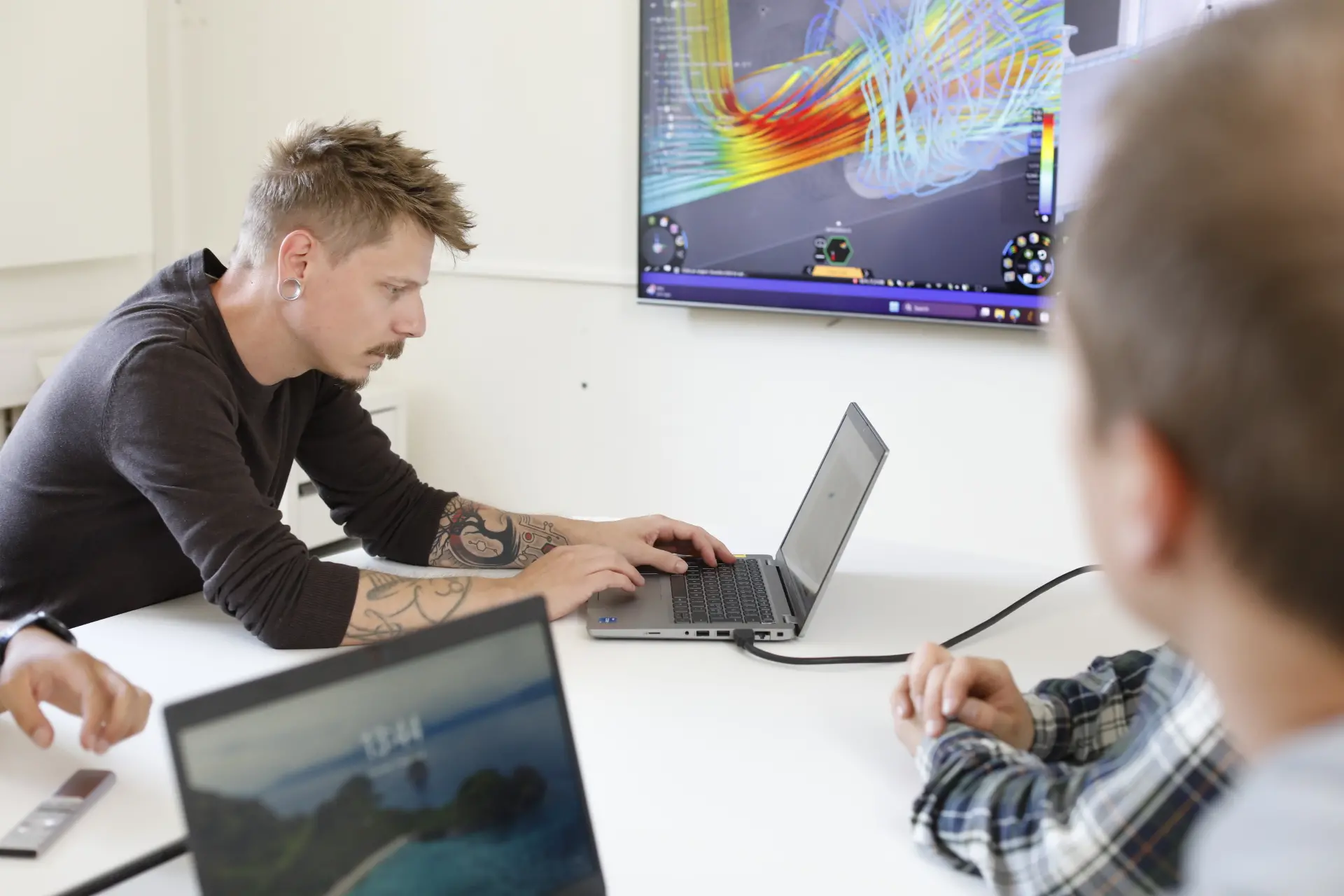
2. Thermal design and concept development
Once the requirements have been defined, work begins on the thermal design. Using advanced calculation tools, digital configurators, and technical models, a solution is developed that meets both functional and power requirements. At this stage, factors such as material selection, geometry, power distribution, and temperature profile are optimized. The goal is to create a design that is both energy-efficient and robust, while being tailored to the customer’s specific process.
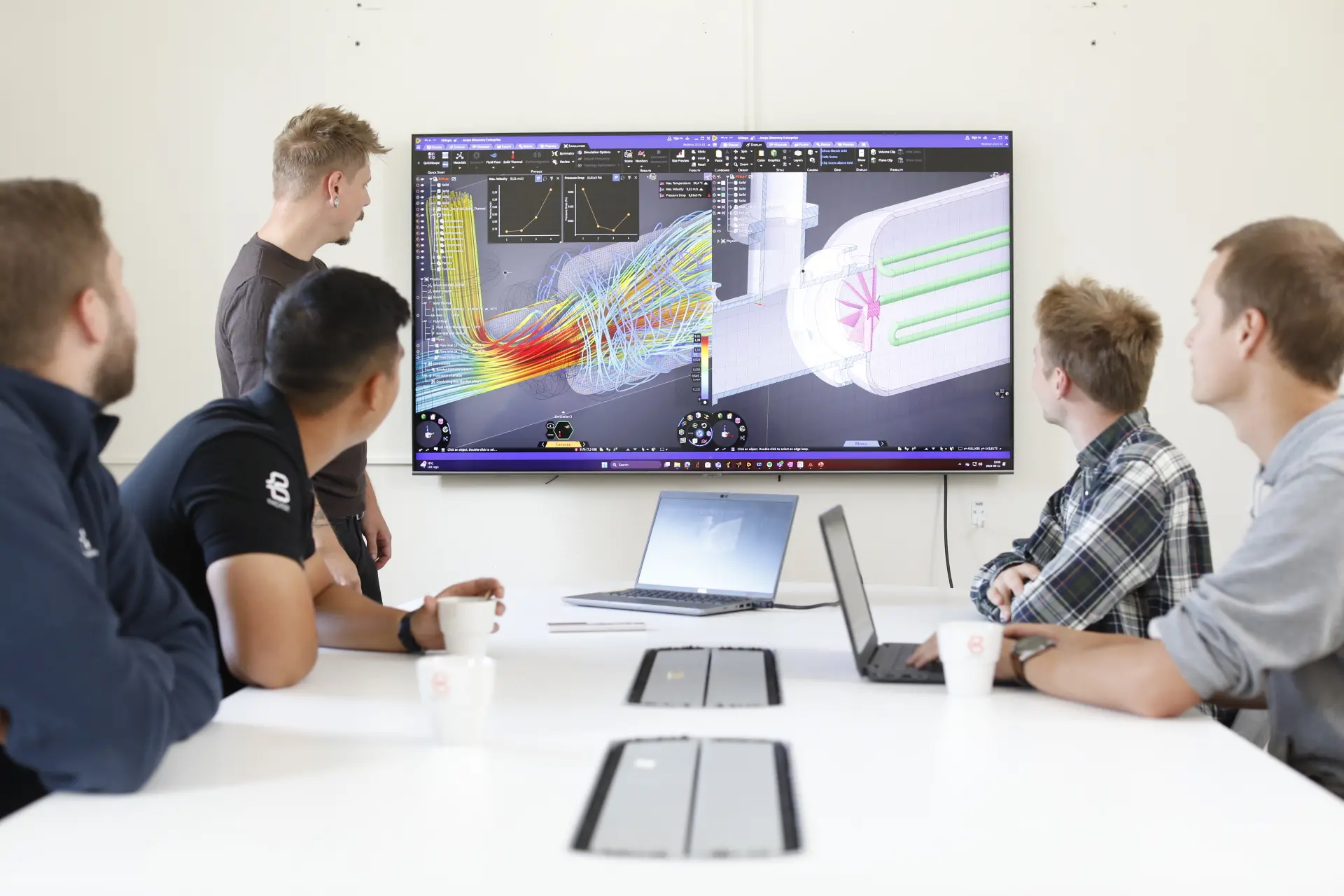
3. CFD simulation and thermodynamic analysis
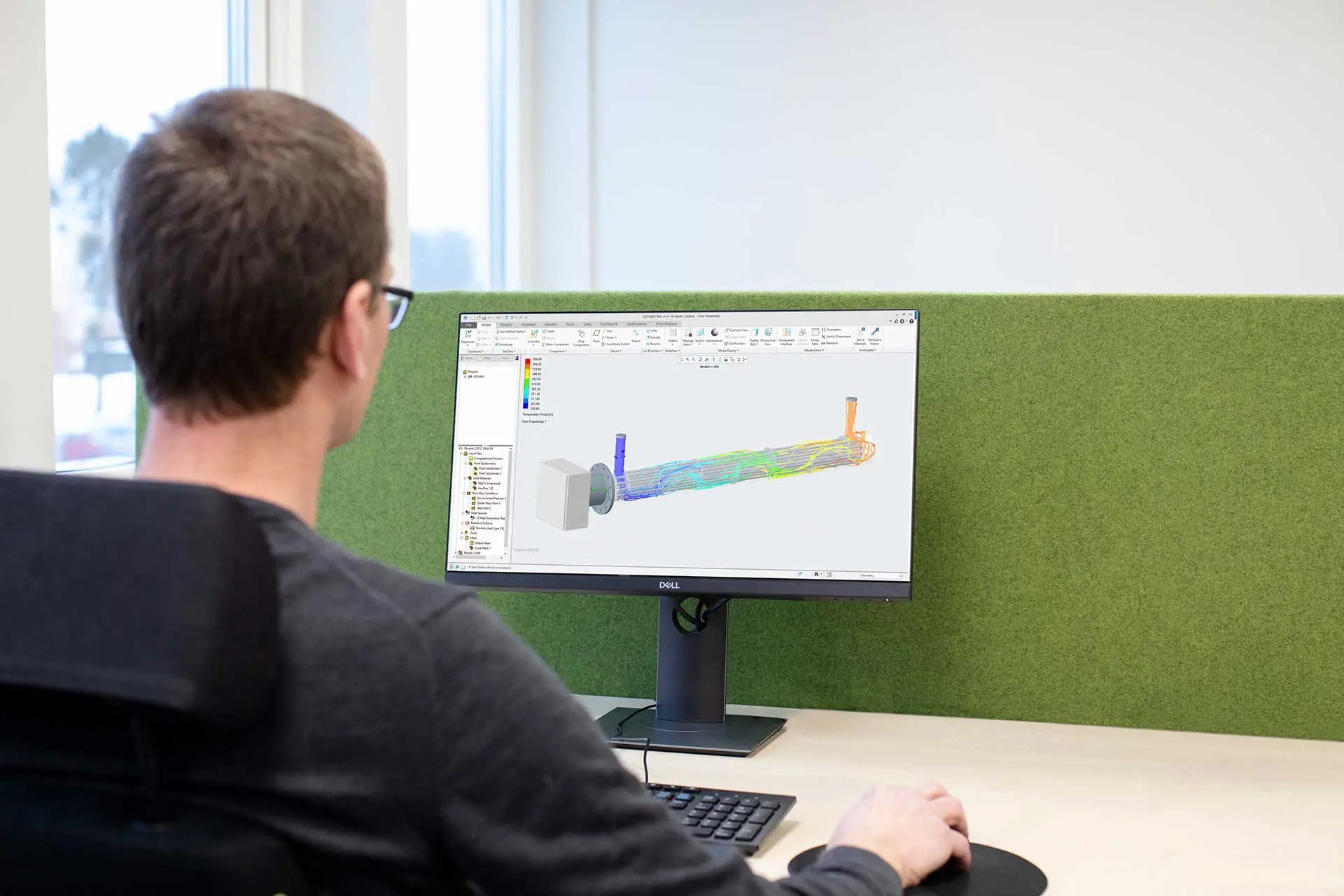
Before a physical prototype is built, extensive simulations are carried out using CFD (Computational Fluid Dynamics). These analyses show how heat transfer and air or liquid flows behave within the system during operation. CFD allows critical areas to be identified, such as heat losses, overheating, or uneven flow profiles. The simulations make it possible to optimize the design digitally, saving both time and resources in the subsequent development process.
4. Prototype development and construction
Once the simulations confirm that the design meets the requirements, an initial prototype is developed. The prototype is built according to the defined specifications and serves as a physical verification of the digital development work. At this stage, manufacturability is validated, component interaction is confirmed, and the product’s ability to be efficiently integrated into real-world systems is ensured.
5. Testing and verification in advanced laboratory environments
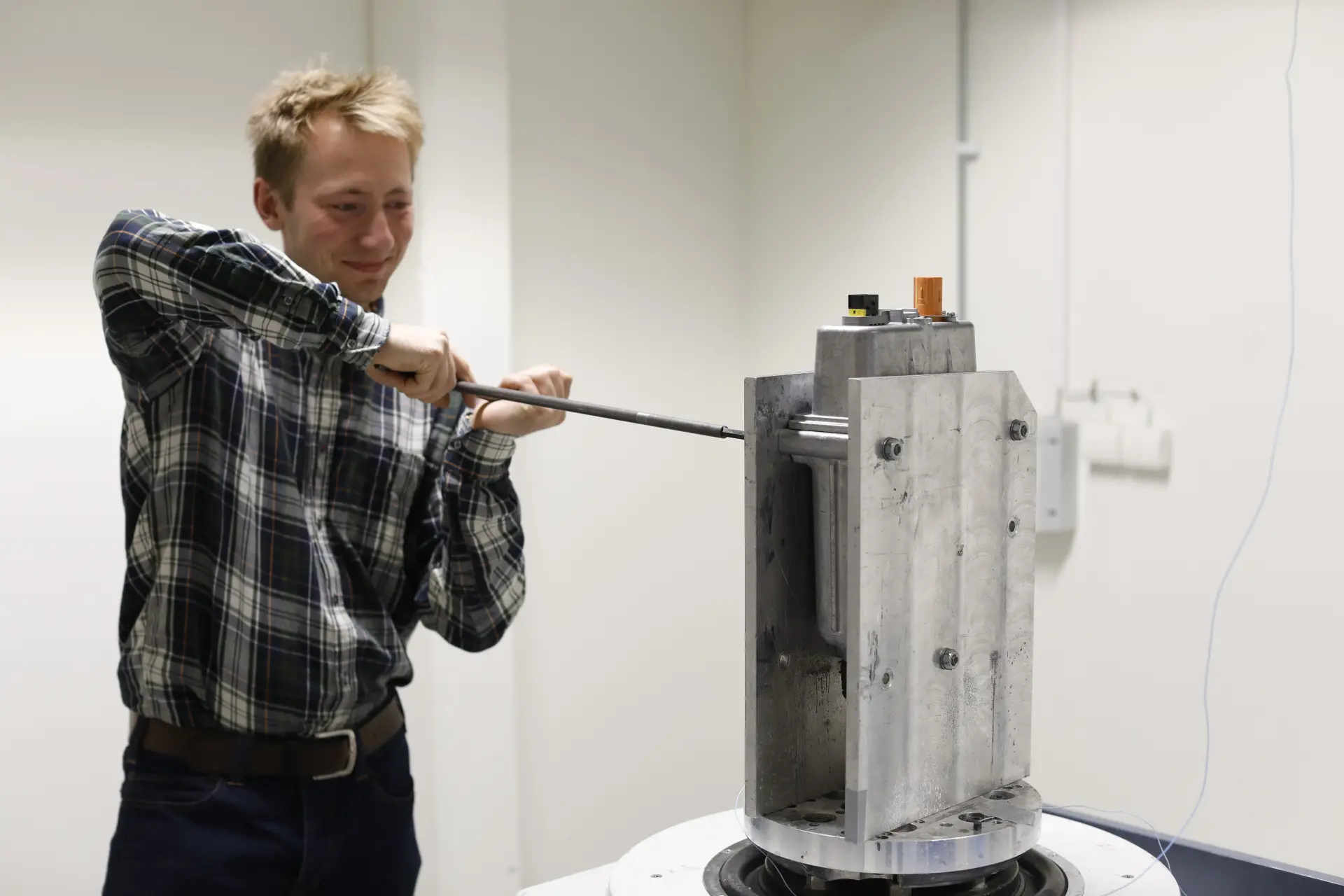
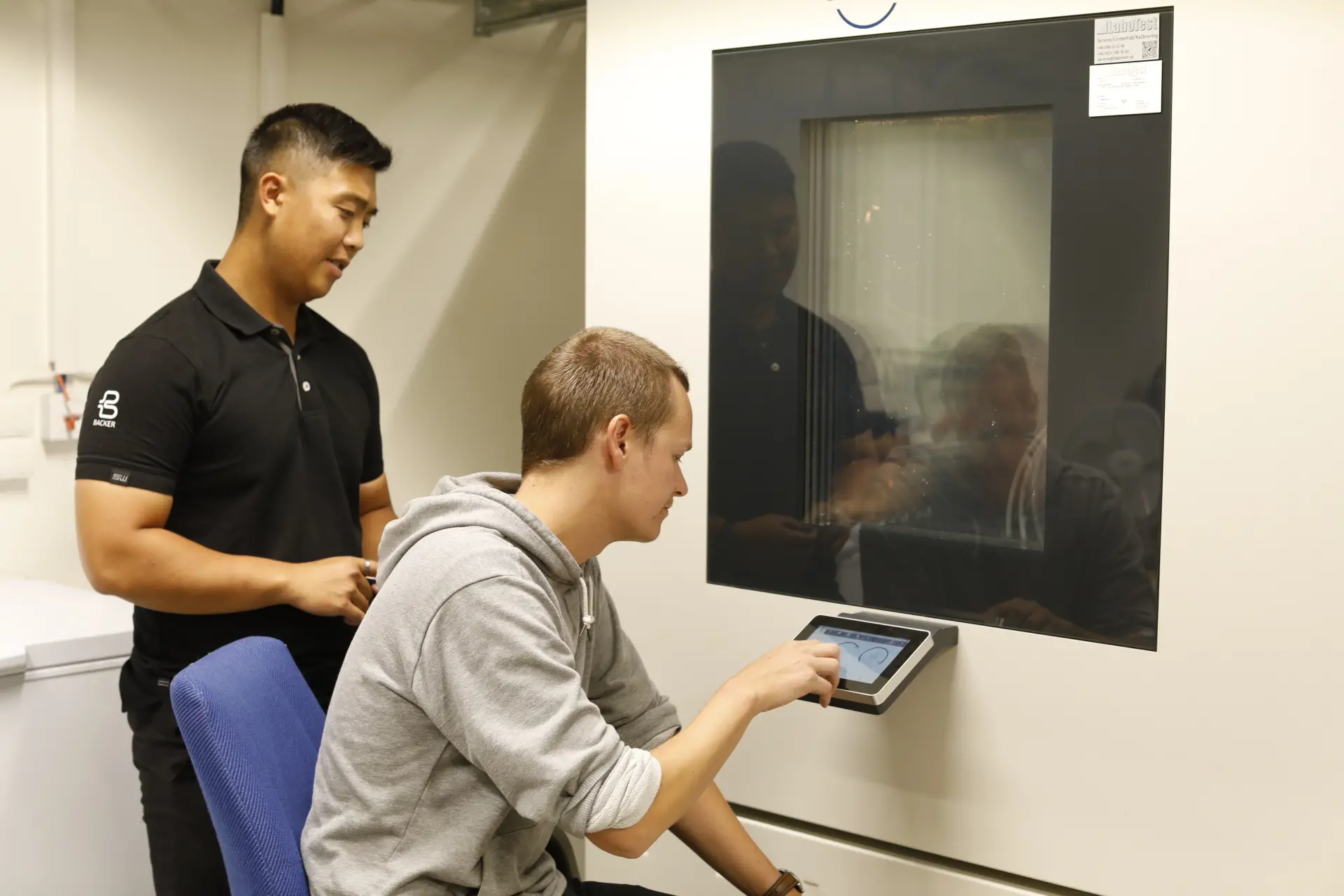
The prototype is tested in Backer’s advanced laboratory environment, where conditions can be controlled and varied to replicate real operating situations. The laboratory is equipped with climate chambers, cold rooms, vibration tables, and various test rigs, enabling comprehensive functional and durability testing. The product is subjected to thermal cycling, mechanical loads, humidity, low temperatures, and other relevant environmental conditions. This step is critical to ensuring that the solution meets requirements even under extreme conditions.
6. Monitoring, analysis, and optimization
During testing, the product is monitored using thermal imaging cameras, sound measurement equipment, and advanced instrumentation that records its behavior during operation. The collected data is analyzed to identify areas for improvement, optimize the design, and ensure high and stable performance. When necessary, design adjustments are made before the final version is established. This step provides confidence that the finished product will operate reliably in its real-world application.